Time to bust a communications myth, inspired by a discussion in a communications master’s class.
Many college employees in ‘marketing’ jobs are really doing ‘promotions.’
No disrespect, promotions is crucial. I do promotions. I come up with campaigns with administration, faculty, and students; those are centered on promotions because others in the university already did some of the marketing.
I don’t need to figure out the target audience, the organization’s mission, goals, or the key messages.
Let me explain using the performing arts as an example.
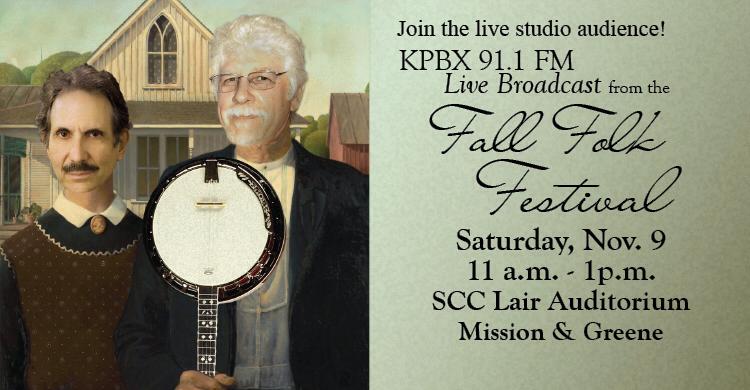
An organization is producing a show and it’s time to promote it. Promotion is everything that gets the word out, creates excitement, sells tickets and puts butts in seats. To promote the show, I’m going to use print and website ads, press releases, calendar listings, social media engagement, email, maybe direct mail, location-specific banner signage, blogs, and cross-promotion to get those tickets sold.
In my current academic work, I create that excitement through the web content. My goal is to make the prospective student see the pictures of students working on projects and think, ‘Yeah, that could be me!’ I get to work with the offices of Admissions, Marketing & Communications to talk to prospective students.
Why is marketing different? Marketing is about customer relationships and what they — the market — needs. Because there’s other work before and after the promotions. For the organization producing a show, what group(s) of people would really enjoy that particular show? Who is the audience? What’s the *value* of this show to them? What media and which personalities are they paying attention to? This is the research involved in marketing. Marketing also involves setting goals (just ticket sales, or creating that buzz to drive future sales?) and measuring how promotions did (looking at click-through rates, social media impressions, surveys on which media audiences remember noticing).
In academia, Admissions is the group in front of high school students and reviewing market trends. What apps are high school students using? What messages are they hearing from their peers, their high school career advisors, their media?
So marketing is the big picture, and promotions is an important part of it.
Maybe it’s semantics, or shades of the same color. At least this little explanation might help you figure out what path you might want to pursue, and how to think a little deeper about promoting that next big event.
For my academia job, ‘butts in seats’ usually means getting students to extra-curricular events.







 Communication By Design
