One Type to Rule Them All

Your message probably has text. But what is that text going to look like?
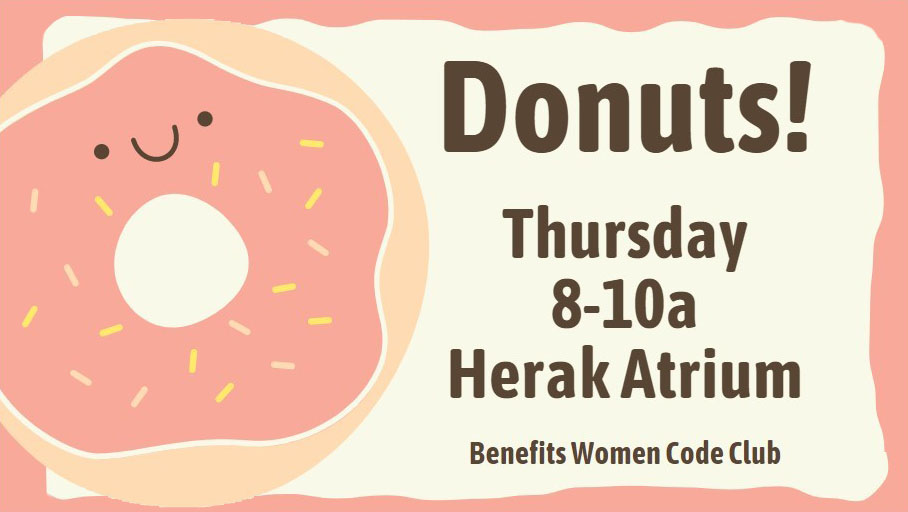
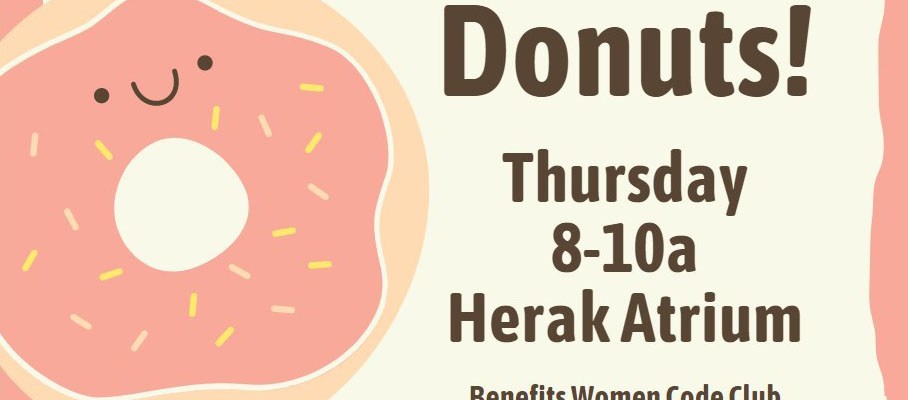
example

The easy answer for digital signs: big letters, made up of thicker lines, without froofy-fancy ornaments, and with plenty of ‘white space’ between the letters.

Please please please please please stick to one font.* Really.  You have maybe 3 seconds to get your message across. You want your viewer to understand it immediately.

*Only read this if you need to be precise and annoyingly correct. Technically, each of those styles is a unique font within a typeface. Unless you want to make typefaces a serious part of your career, just call ’em “fonts.”

example

I know, that hand-lettered look is soooo cute and trendy… But isn’t your message more important? 3 seconds!

For example, (left) is that a capital F or a stylized T? A passer-by won’t take the time to think.

Another current trend uses small type on a big field of color. Please don’t do this to your elders. Big clear type gets the message seen and understood.

About Type

Every design program uses “Type” to lump together all the aspects of what your letters look like. These are the settings you can usually control:

Font – one specific set of letter styles. These styles can include Bold, Italic, and Bold Italic.
Calibri and Cambria are the standards in modern PC-based Microsoft Office products. (I haven’t used Mac for 30 years, so I can’t tell you what Apple’s go-to fonts are.)

Font Size – The size of the letters, measured in “points” – a system leftover from early printing press days.

Alignment – left, right, or center. Most English text lines up on the left, and many headlines align in the middle.

Spacing – either the horizontal space between letters (tracking) or the vertical space between lines of text (leading). You DO want enough space between characters and words so they are easily understood. You DON’T want too much space so they look strange or floating away.
Dos of Digital Signs

Bright digital displays light up several city centers, such as New York’s famed Times Square. Messages compete with each other with alluring faces, surprising text, or simple bombardment of lights.

This is the kind of advertising landscape the urban world is used to. Universities can take a page from the modern marketing playbook to convey messages about student affairs and campus life.

Think Billboards

Our audience is on the move. The typical exposure time is short – less than five seconds. When a digital sign shifts from one message to another, it tends to catch a passer-by’s eye. But even then, that person is not likely to slow down to look at a message, so a digital message needs to be concise, clear, and clean.  

  • Concise: the fewer words, the better. Industry standard is SEVEN. Practice with the Six-Word Memoir concept.
  • Clear: Composition, typography, and color let the viewer absorb the message immediately.
  • Clean: Only a few design elements. No clutter!
One image, one headline, one message.

The Big Tease

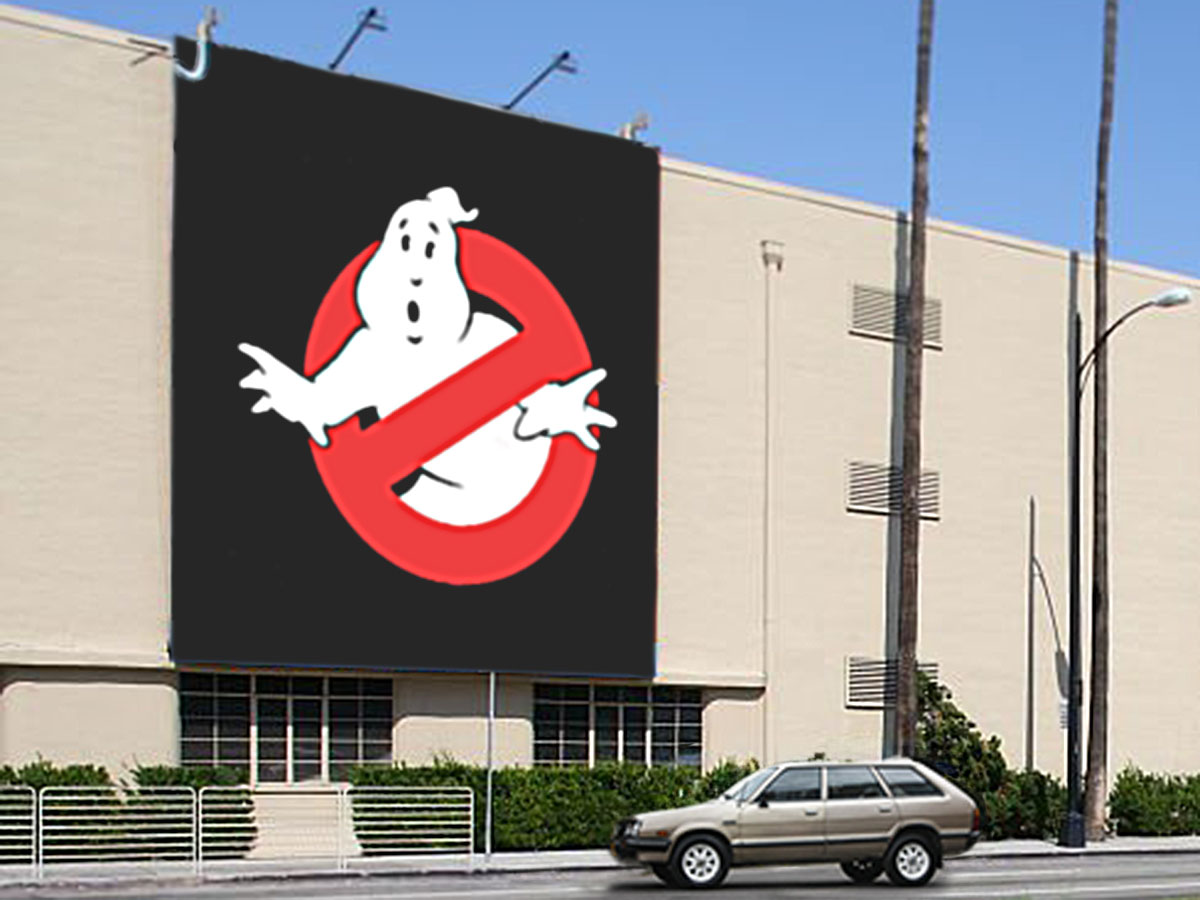
exterior building with an enormous sign with the Ghostbusters logo, but no text

Come on a little memory journey with me. It’s early spring 1984. I live in Burbank, California – home to several studios, including a big independent lot called the Burbank Studios. Every day, on the way to and from school, we drive by the outer wall of the studio lot covered in towering movie poster billboards – two stories high.

One day, they start painting this weird one with a blobby white ghost thing. And then there’s the international NO symbol on it – red circle with a line through it. ‘No ghosts’ maybe. No text either. Just a big black sign with the ‘no ghost’ thing.

Then more signs with the same image start popping up everywhere – bus stop ad signs, roadside billboards – all spring there’s this ‘no ghost’ thing. We thought it might be related to Casper the Friendly Ghost, because it looked a little like the way Casper’s non-friendly relations were drawn.

exterior building with an enormous sign with the Ghostbusters logo, but no text
Imagine driving by this every day with no clue what it means. (Photo illustration by JJS using Ghostbusters logo, 1983 Subaru like the one we owned, and the exterior this Burbank landmark – photo by FG/Bauer-Griffin/GC Images)

Four things that made it work:

  • It was really cute.
  • It was a simple design.
  • We could talk about it with a descriptive name – no ghosts.
  • It was EVERYWHERE.

And – most importantly – it was a good product. A lot of times, the hype leads to a letdown after a big reveal. This film was worth the buildup, a real summer blockbuster.

My point is that you can introduce a product or a campaign without a call to action. Sometimes the art speaks volumes without explicitly saying a thing.

Just make sure that the payoff is worth the tease.

King Putin

From Charlie Chaplin to Spike Jones to Mel Brooks, artists and activists have ridiculed dictators. It’s hard to laugh seeing Russian bombs hit any target they please, including hospitals and schools, but if you can do nothing physically to help the people of Ukraine survive this war they didn’t ask for, you can try to see the absurdity in the aggressor.

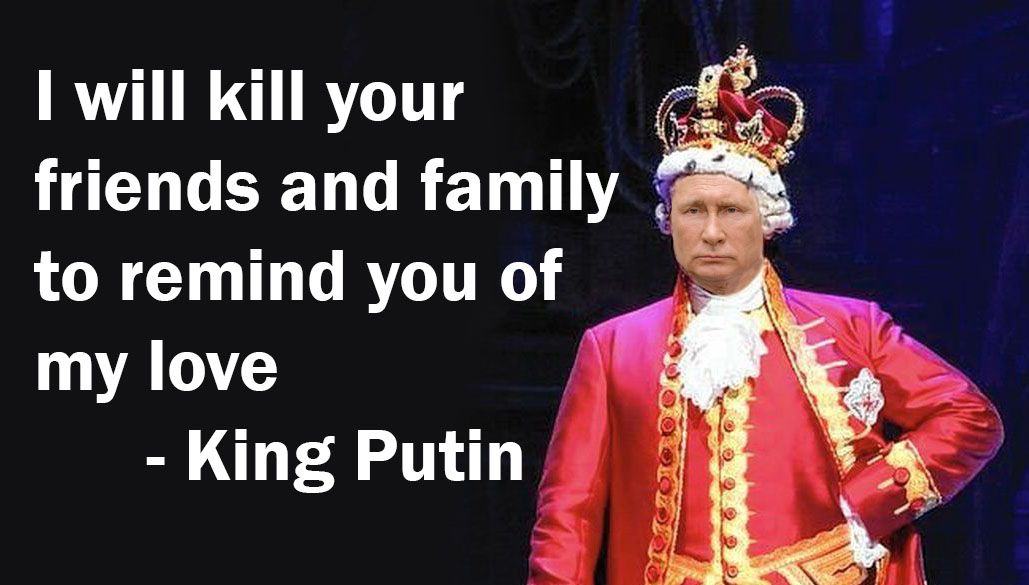
This Broadway Diva enjoys Hamilton. King George III is a petty spurned lover of sorts. Very dangerous, yes, the kind of abusive lover many women have desperately tried to get away from. Couldn’t help but see similarities between Putin and George, especially with the line “I will kill your friends and family to remind you of my love.” Add that line to a composite of the Hamilton character and one of Putin’s many portraits, and we get this meme.

Maybe people feel it’s too soon to laugh like this. Maybe it will only be funny if Zelensky and the people of Ukraine pull a Washington and completely push back the Russian army. Meanwhile, my thoughts are with the defenders, the refugees, the people trapped in war zones, with all who are trying to help them, and the Russians trying to protest the lies of Putin.

UPDATE: Reviewing this portfolio and blog three years later, how is it possible that this situation is worse than ever?

Slipping – a visual story

How do 18 years fly so fast? In honor of her graduation, a little tribute to my one and only offspring… and a preview of how I’ll feel in Fall when she’s off to college.

I wish I had a photo of me, her, and the bear Cuddly from when she was young. Suffice to say Cuddly was a dear part of our family until around age 11, when I rescued her from G’s ‘donate’ box. I didn’t need to save many things, but a comfort bear is always helpful :)

Marketing and Promotions go hand in hand

Time to bust a communications myth, inspired by a discussion in a communications master’s class.

Many college employees in ‘marketing’ jobs are really doing ‘promotions.’  

No disrespect, promotions is crucial. I do promotions. I come up with campaigns with administration, faculty, and students; those are centered on promotions because others in the university already did some of the marketing.

I don’t need to figure out the target audience, the organization’s mission, goals, or the key messages.

Let me explain using the performing arts as an example.

An organization is producing a show and it’s time to promote it. Promotion is everything that gets the word out, creates excitement, sells tickets and puts butts in seats. To promote the show, I’m going to use print and website ads, press releases, calendar listings, social media engagement, email, maybe direct mail, location-specific banner signage, blogs, and cross-promotion to get those tickets sold.

In my current academic work, I create that excitement through the web content. My goal is to make the prospective student see the pictures of students working on projects and think, ‘Yeah, that could be me!’ I get to work with the offices of Admissions, Marketing & Communications to talk to prospective students.

Why is marketing different? Marketing is about customer relationships and what they — the market — needs.  Because there’s other work before and after the promotions. For the organization producing a show, what group(s) of people would really enjoy that particular show? Who is the audience? What’s the *value* of this show to them? What media and which personalities are they paying attention to? This is the research involved in marketing. Marketing also involves setting goals (just ticket sales, or creating that buzz to drive future sales?) and measuring how promotions did (looking at click-through rates, social media impressions, surveys on which media audiences remember noticing).

In academia, Admissions is the group in front of high school students and reviewing market trends. What apps are high school students using? What messages are they hearing from their peers, their high school career advisors, their media? 

So marketing is the big picture, and promotions is an important part of it.

Maybe it’s semantics, or shades of the same color. At least this little explanation might help you figure out what path you might want to pursue, and how to think a little deeper about promoting that next big event.

For my academia job, ‘butts in seats’ usually means getting students to extra-curricular events.